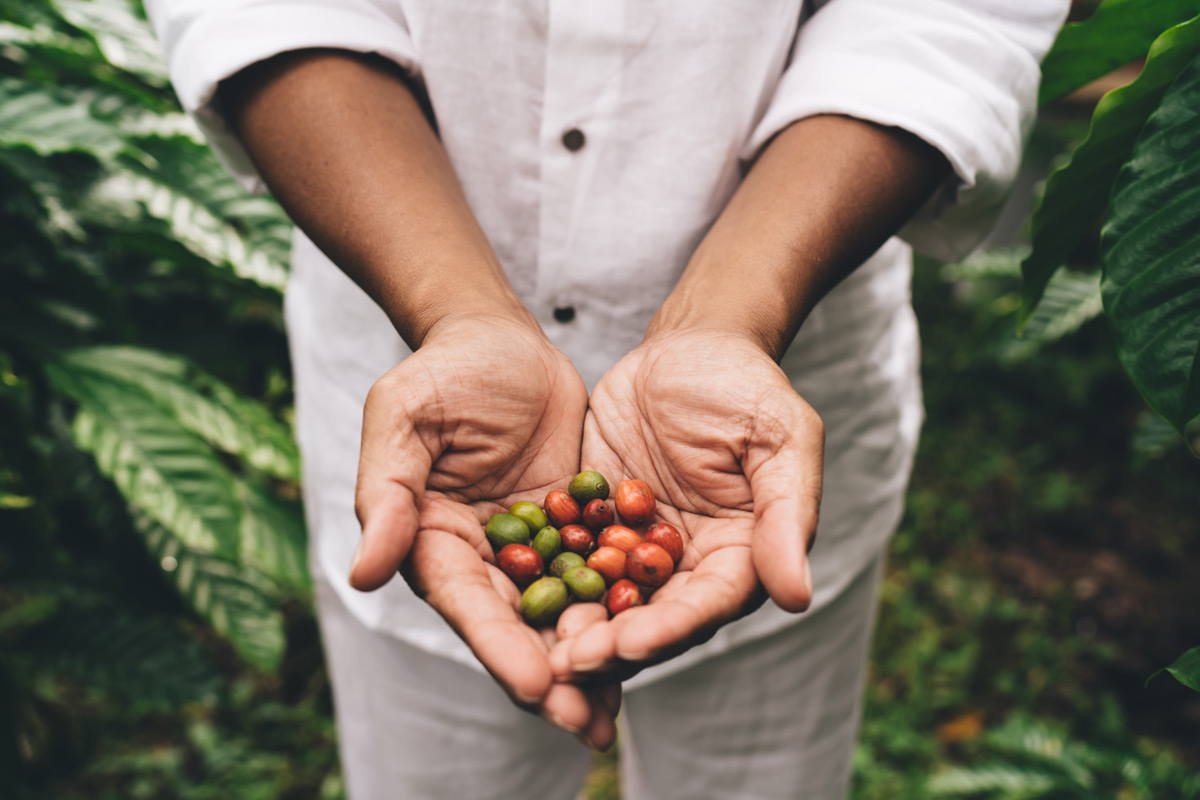
When we sit down with a fresh cup of coffee in the morning, it is easy to forget just how massive the journey was for those little beans. They traveled thousands of miles across continents, originating from tiny family plots on high-altitude hillsides around the equator. But the global coffee market can be incredibly volatile, often leaving the very people who grow our favorite crops at the mercy of unpredictable price crashes.
That is exactly why fair trade is not just a buzzword for us. It is a vital framework that shifts the balance of power back to the farmers and ensures that your daily brew leaves a positive footprint in the regions it came from.
Creating Stability in Farming Communities
At its core, fair trade establishes a guaranteed minimum price for coffee harvests. This acts as a financial safety net, shielding small-scale growers from sudden market drops that might otherwise force them to sell their crop at a loss.
When farmers have a predictable, stable income, it changes the entire dynamic of a community. They can confidently plan for the future, invest back into their land, and ensure that coffee farming remains a viable, proud livelihood for the next generation. It shifts the cycle from basic survival to true long-term stability.
The Power of the Fair Trade Premium
One of the most beautiful aspects of this system is something called the Fair Trade Premium. On top of the fair price paid for the coffee itself, an extra sum of money goes directly into a communal fund managed by the local farming cooperatives.
The farmers themselves vote on how to spend this premium based on what their specific community needs most. In coffee-growing regions around the world, these funds have built local schools, funded healthcare clinics, established clean water systems, and provided micro-loans for women-led agricultural projects. When you choose a fair trade bag of beans, a portion of your purchase is directly funding community development chosen by the people who live there.
Better Working Conditions and Environmental Care
Fair trade standards also enforce strict guidelines regarding labor and the environment. It ensures safe working conditions for pickers, guarantees fair wages, and completely prohibits forced or child labor.
On the environmental front, it encourages sustainable farming practices like shade-grown cultivation and responsible water management. Because healthy ecosystems produce higher-quality beans, protecting the local soil and surrounding wildlife ensures these farming communities can continue to thrive for decades to come.
Every Bag is a Vote
Every time you choose fair trade coffee, you are doing so much more than buying a delicious morning drink. You are casting a vote for an ethical supply chain that values human dignity, community empowerment, and environmental respect. It is a simple way to make sure that as our coffee community grows right here at home, the farming communities abroad are growing right along with us.
2026