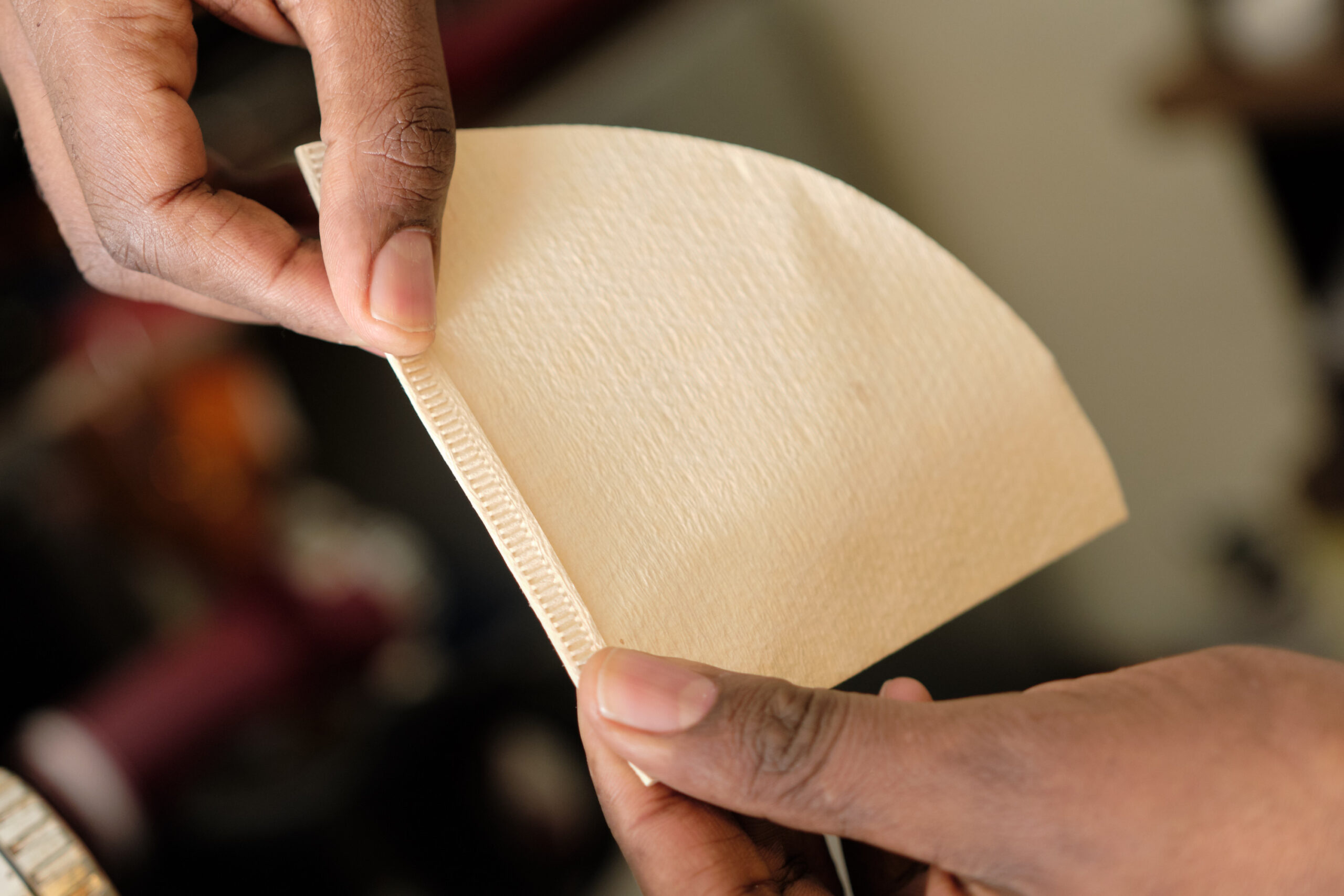
Have you ever thought about what your coffee filter actually does? For a long time, most of us figured its only job was a mechanical one, just keeping the gritty grounds out of our morning mug. But modern chemistry shows it is actually a major gatekeeper, deciding exactly what compounds and trace chemicals make it into your body.
If you want a cup that is clean, healthy, and completely chemical-free, switching to organic, non-chemical filters changes everything.
The Problem with Bleached Grocery Store Filters
Most standard white paper filters you grab at the grocery store go through an industrial brightening process. Even though manufacturing has improved over the years, the Environmental Protection Agency has noted that chlorine bleaching introduces trace amounts of dioxins into the paper fibers.
Because hot water is an incredibly efficient solvent, it can pull those processing chemicals right into your pot. Choosing unbleached, raw brown paper filters labeled as Totally Chlorine Free completely bypasses this issue. They are made from natural wood pulp or renewable bamboo, meaning only raw plant material touches your hot water.
Protecting Your Heart with the Right Substrate
The biggest health difference between filters comes down to natural coffee oils called diterpenes, specifically cafestol and kahweol. Clinical research has identified cafestol as a potent cholesterol-raising compound because it physically blocks your liver’s ability to regulate cholesterol, which can drive up your bad LDL numbers.
A well-known study published in the European Journal of Preventive Cardiology found that unfiltered brewing methods, like a French press or metal mesh filter, let these oils pass straight through, containing up to 30 times more diterpenes than filtered options. On the flip side, the dense cellulose fibers in natural paper filters act like a magnet, trapping these cholesterol-raising oils so they never reach your mug.
The Cotton and Hemp Middle Ground
If you love a rich, full-bodied cup of coffee but want to avoid single-use paper waste, organic cotton or hemp cloth filters are an amazing alternative.
Hand-loomed organic cotton filters have a unique weave. The natural fibers have tiny pores that let the smooth, aromatic essential oils slip through for great flavor while trapping the heavy sediment and a big chunk of those cardiovascular lipids. Plus, because they are completely natural, you don’t have to worry about synthetic polymers or microplastics leaching into your drink. You can just boil and reuse them for months.
If you are aiming for absolute purity, organic unbleached paper or 100% organic cotton cloth filters are the clear winners. They keep processing toxins out of your morning ritual, protect your heart health, and keep your daily brew as natural as possible.
2026